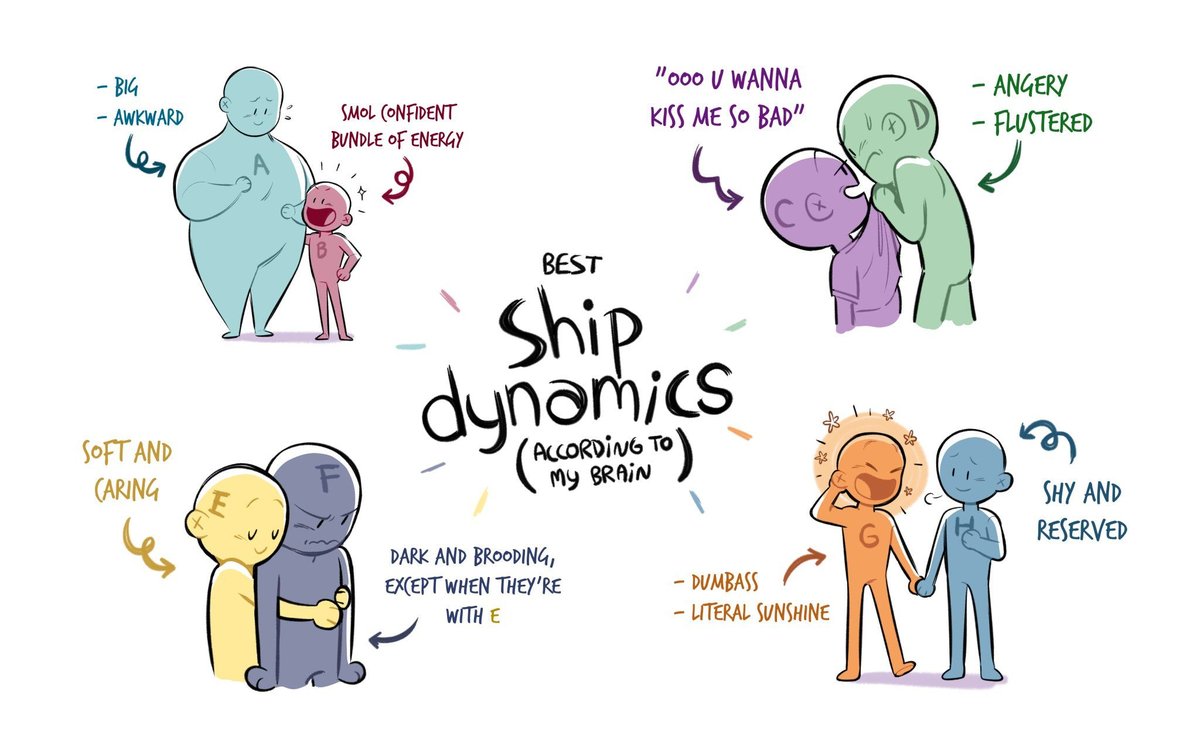
Every compelling story you've ever loved, every character you've rooted for or against, finds its heartbeat in the intricate web of character relationships & dynamics. These aren't just background noise; they are the crucible in which personalities are forged, true intentions are laid bare, and the plot finds its irresistible momentum. Think of it: would your favorite hero be half as intriguing without their loyal sidekick, their infuriating rival, or their complicated family? Doubtful.
These connections do more than just fill space between scenes. They’re the essential engine, shaping motivations, forcing actions, and defining the very identities of your characters. It's through their interactions that we glimpse hidden depths, understand underlying desires, and witness the raw human experience of conflict and cooperation. Ultimately, great relationships create emotional stakes that keep readers utterly invested.
At a glance: Crafting Unforgettable Character Dynamics
- Purpose-Driven Connections: Every relationship should reveal character, advance plot, or offer growth.
- Essential Archetypes: Master romantic, friendly, family, mentor-student, and antagonistic relationships.
- Chemistry is Key: Build authentic sparks through complementary differences, shared values, and deep emotional resonance.
- Relationships Evolve: Show earned arcs, pivotal turning points, and challenging obstacles.
- Dialogue Matters: Use communication patterns, subtext, and shifting power dynamics to convey depth.
- Conflict is Fuel: Embrace conflict rooted in valid perspectives, and show characters growing through resolution (or choosing not to).
- Avoid Common Pitfalls: Don't create relationships without purpose, rush development, or make them one-dimensional.
The Unseen Hand: Why Relationships Are Your Story's Core
Imagine a character in a vacuum. Fascinating backstory, perhaps. Noble goals. But without another character to bounce off, to challenge, to love, or to despise, their journey feels flat. This is why character relationships are foundational. They function as a narrative microscope, bringing previously unseen aspects of a character into sharp focus through contrast and interaction.
Consider a stoic hero who only shows vulnerability around a specific friend, or a villain whose cruelty is explained by a toxic family dynamic. These interactions aren't just details; they are the story, driving the plot forward through cooperation, betrayal, and shared ambition. They provide opportunities for characters to grow, change, and make hard choices, all while creating a profound emotional investment for your audience. When you delve into these dynamics, perhaps even with a psychoanalytic lens, you begin to uncover the hidden desires, internal conflicts, and psychological motivations that truly make your characters tick.
The Anatomy of Connection: Essential Relationship Types
Every relationship, whether fleeting or lifelong, plays a distinct role in your narrative. Understanding these essential types helps you consciously craft their purpose and impact.
Romantic Relationships: The Dance of Hearts and Minds
Ah, romance. It’s often the relationship readers crave most, but also the easiest to get wrong. Authentic romantic relationships demand chemistry, emotional depth, and believable development.
- Chemistry isn't magic; it's crafted. It arises from an intellectual and emotional connection, where characters challenge each other’s assumptions and support each other’s growth. They push boundaries, inspire new perspectives, and yes, sometimes infuriate each other.
- Conflict is crucial, but not manufactured. It should stem organically from character differences, competing life goals, or external obstacles that test their bond. Think less "silly misunderstanding" and more "opposing worldviews clashing under pressure." Their struggles reveal their commitment and capacity for change.
Friendships: The Unspoken Bonds
Friendships provide a vital support system, offer comic relief, and serve as mirrors reflecting different facets of a character's personality. These should feel authentic, lived-in, and mutually beneficial, even if the benefits aren't always equal or obvious.
- Mutual Support & Challenge: A good friend offers a shoulder to cry on but also calls out your protagonist's nonsense. They provide a safe space for vulnerability and a sounding board for grand plans.
- Realistic Conflict: Just like in real life, friendships aren't devoid of conflict. Disagreements over priorities, perceived slights, or difficult choices can test these bonds, revealing the characters' loyalty and capacity for forgiveness.
Family Relationships: A History Written in Blood
Family relationships are a narrative goldmine, arriving with a built-in history, unspoken obligations, and layers of emotional complexity. They are shaped by birth order, family roles, and shared (or traumatic) experiences.
- Inherent Conflict & Support: Families can be sources of unwavering support, the only people who truly "get" a character. Yet, they are just as often the source of profound conflict, whether it's sibling rivalry, parental expectations, or the weight of inherited trauma.
- Unpacking the Past: These relationships allow you to explore a character’s origins, their deepest fears, and their most ingrained habits. How a character interacts with their family reveals who they were, and often, who they are trying to become.
Mentor-Student Relationships: Passing the Torch
These relationships are all about growth, wisdom transfer, and often, the inevitable clash between generations or ideologies. A truly effective mentor-student dynamic isn't one-sided.
- Mutual Learning: While the mentor guides, the student often questions, innovates, and brings fresh perspective, teaching the mentor new lessons in return.
- Productive Conflict: Conflict often arises as the student begins to forge their own path, perhaps challenging the mentor's established wisdom or questioning their methods. This isn't disrespect; it's the natural evolution of learning and growing beyond the teacher.
Antagonistic Relationships: Clash of Worldviews
Not all antagonists are evil; sometimes, they're simply characters with deeply conflicting goals or incompatible worldviews. The most compelling antagonistic relationships are rarely about pure hatred.
- Valid Perspectives: The best antagonists believe they are righteous, or at least understandable given their circumstances. This moral complexity makes their opposition meaningful and allows for nuanced conflict.
- Evolving Dynamics: Antagonistic relationships can evolve significantly. A bitter rival might become an unexpected ally, or a perceived hero could reveal their true, sinister intentions, making the initial antagonism take on new meaning.
Forging the Spark: Building Believable Chemistry
That intangible "spark" between characters isn't magic; it's the careful cultivation of specific interaction patterns. Chemistry makes relationships engaging, and you can absolutely engineer it.
- Complementary Differences: Think of opposites that attract, not just in personality, but in skill sets or worldviews. A meticulously organized planner paired with a spontaneous free spirit creates productive tension. They challenge each other's weaknesses while providing unique strengths and support, forcing both to grow.
- Shared Values, Different Methods: Characters might agree on core principles—justice, loyalty, survival—but approach problems from wildly different angles. This creates conflict rooted in common ground, making it deeply personal and often more impactful than simple opposition. They both want to save the world, but one uses diplomacy, the other, a hammer.
- Emotional Resonance: Characters affect each other deeply and meaningfully. One brings out another's vulnerability, another inspires confidence, a third constantly challenges assumptions. This emotional give-and-take makes their connection feel real, revealing inner worlds to the reader.
The Unfolding Story: Evolution and Turning Points
Relationships aren't static; they are living entities that should change and evolve in response to the narrative. This dynamic nature is what makes them captivating.
- Relationship Arcs: Just like individual characters, relationships need their own developmental trajectories. These arcs are earned through shared experiences, tough choices, and the consequences of those decisions. A friendship might deepen, a romance might sour, or an antagonism might transform into reluctant respect.
- Relationship Turning Points: These are the moments of crisis, revelation, or choice that fundamentally alter how characters relate to one another. A shared trauma, a confession of a secret, a moment of unexpected self-sacrifice—these events have lasting consequences, reshaping the landscape of their connection forever. They act as signposts, showing the reader how far the relationship has come or how drastically it has changed course.
- Relationship Obstacles: To truly grow, relationships need challenges. These can be external pressures (a war, a societal prejudice) or internal conflicts (trust issues, competing ambitions). The key is that these obstacles create genuine tension and require characters to grow or change their approach to overcome them. Avoid flimsy misunderstandings; aim for obstacles that force introspection and difficult choices.
More Than Words: Dialogue, Subtext, and Power Dynamics
Dialogue is often where character relationships truly shine. It's not just what characters say, but how they say it, and what they leave unsaid, that tells the real story.
- Relationship-Specific Communication Patterns: Observe how people speak differently to their boss versus their best friend versus their sibling. Your characters should, too. A married couple might communicate in shorthand, while rivals engage in veiled threats and thinly-veiled insults. These distinct patterns reflect their shared history, intimacy level, and current dynamics.
- Subtext: The Unspoken Truth: What characters don't say is often more potent than what they do. Subtext reveals hidden feelings, unresolved conflicts, unspoken desires, or deep-seated understandings that don't require explicit articulation. A lingering glance, a sudden change of topic, a pointed silence—these are powerful tools for deepening relationships.
- Power Dynamics: The Shifting Balance: Every relationship, whether conscious or not, involves a power dynamic. This can be based on age, experience, status, wealth, emotional leverage, or even who needs something more. Power dynamics influence how characters communicate, who leads, who follows, and who takes risks. Crucially, these dynamics can—and often should—shift throughout the story, adding layers of complexity. For a fantastic look at characters with intricate and evolving relationships, consider exploring a Big City Greens character guide; you’ll see how sibling, parental, and community dynamics all play out.
The Engine of Narrative: Conflict and Its Resolution
Conflict is the lifeblood of compelling relationships. Without it, dynamics become stagnant and uninteresting. Embracing conflict allows characters to show their true colors and makes their bonds more meaningful.
- Sources of Conflict: The strongest conflicts arise from competing goals, fundamentally different values, past hurts that linger, external pressures that strain bonds, or simply changing circumstances that pull characters in different directions. The most compelling conflicts feature characters who each have valid points and understandable motivations—no easy villains here.
- Resolution Strategies: How characters choose to resolve their conflicts (or not) reveals their core values and the strength of their commitment to each other. True resolution often requires personal growth, compromise, or a significant change in perspective. It's rarely about one character simply "winning" an argument.
- Managing Unresolved Conflicts: Not every conflict needs a neat resolution. Leaving some conflicts simmering adds realism, complexity, and provides rich material for future stories or ongoing character development. Sometimes, characters simply agree to disagree, or a relationship is irrevocably altered by a choice that cannot be undone.
Beyond the Protagonist: Supporting Cast and Ensemble Dynamics
While your main character's core relationships are paramount, don't overlook the intricate web of connections that form your story's wider world.
- Believable Ensemble Dynamics: In groups, characters naturally fall into roles: the leader, the mediator, the skeptic, the comic relief. Pay attention to how these roles shift, how alliances form and dissolve, and how group dynamics change when new information or external threats emerge. A cohesive ensemble feels like a real community, not just a collection of individuals.
- Relationship Networks: Think of your characters' relationships not as isolated pairs, but as an interconnected network. How does your protagonist's conflict with their boss affect their relationship with their spouse? How does a secret shared with a friend complicate a family dynamic? This web of influence creates a realistic, complex world and can introduce fascinating plot complications.
Steering Clear of Stumbles: Common Relationship Pitfalls
Even seasoned storytellers can fall into traps when crafting character dynamics. Being aware of these common mistakes can save your relationships from feeling forced or unbelievable.
- Relationships Without Clear Purpose: Every character connection should serve a distinct narrative function: revealing character, advancing plot, or catalyzing growth. If a relationship doesn't contribute meaningfully, it's likely dead weight.
- Unrealistic Relationship Development: Love at first sight can be charming, but it needs a foundation. Friendships and romances don't typically blossom overnight into deep bonds without shared experiences, vulnerabilities, or compelling reasons for that rapid acceleration. Earn your relationship arcs.
- One-Dimensional Character Connections: Avoid relationships where a supporting character only exists to serve the protagonist (e.g., the "wise old sage" who only gives advice and has no life of their own). Every character should feel like a real person with their own life outside of their connection to the main character.
- Inconsistent Relationship Dynamics: If characters act one way in a particular relationship and then inexplicably behave completely differently without a clear catalyst or explanation, it breaks reader immersion. Maintain consistent emotional logic.
Your Burning Questions Answered
We get a lot of questions about how to make relationships leap off the page. Here are some quick, actionable answers to common dilemmas:
How many significant relationships should a main character have?
Focus on 3-5 significant relationships for your main character. Each should serve a different narrative function and reveal distinct aspects of their personality. Too many, and they lose impact; too few, and the character can feel isolated or underdeveloped.
How do you build believable romantic chemistry?
Start with intellectual connection and emotional vulnerability. Show how characters challenge each other, support each other, and bring out new sides of one another. Complementary differences (where their unique traits fill a gap in the other) also provide a strong foundation. It's about showing, not telling, their profound effect on each other.
What makes a relationship feel "forced"?
A forced relationship often lacks a clear narrative purpose. It might develop too quickly without a solid foundation, or the characters' motivations for being together don't feel authentic. If you can't articulate why these two characters specifically need each other for the story, it might be forced.
How can I create conflict in a relationship without making one character unlikable?
Give both characters valid motivations and understandable perspectives. Avoid simple misunderstandings as the sole source of conflict. Instead, pit their values, goals, or past experiences against each other. The conflict becomes compelling when both sides have a point, and resolution (or lack thereof) leads to growth.
Do all relationships need to change by the end of the story?
No, not all relationships must change, but your most significant ones should. Static relationships can indicate a lack of character growth or plot movement. Even if a relationship ends, that's still a change. The key is that relationships should evolve in response to story events and character development.
How can I make family relationships feel authentic?
Include specific details about their shared history, family roles (the golden child, the rebel, the peacemaker), and inherited communication patterns (e.g., always avoiding confrontation, using humor to deflect tension). Show how each family member elicits different behaviors from the protagonist, highlighting their ingrained dynamics.
Bringing Your Characters to Life
Crafting authentic, dynamic character relationships is one of the most powerful tools in your storytelling arsenal. They are the true reflection of character, the engine of your plot, and the emotional anchor for your readers. By thoughtfully developing the purpose, chemistry, evolution, and conflicts within each bond, you don't just tell a story—you create a living, breathing world that audiences can't help but lose themselves in.
So, as you build your next narrative, take a moment to look beyond individual characters. Zoom out and examine the spaces between them. What secrets do these spaces hold? What sparks will fly? And what profound truths will they reveal about the human condition? The answers lie within the intricate dance of their connections.