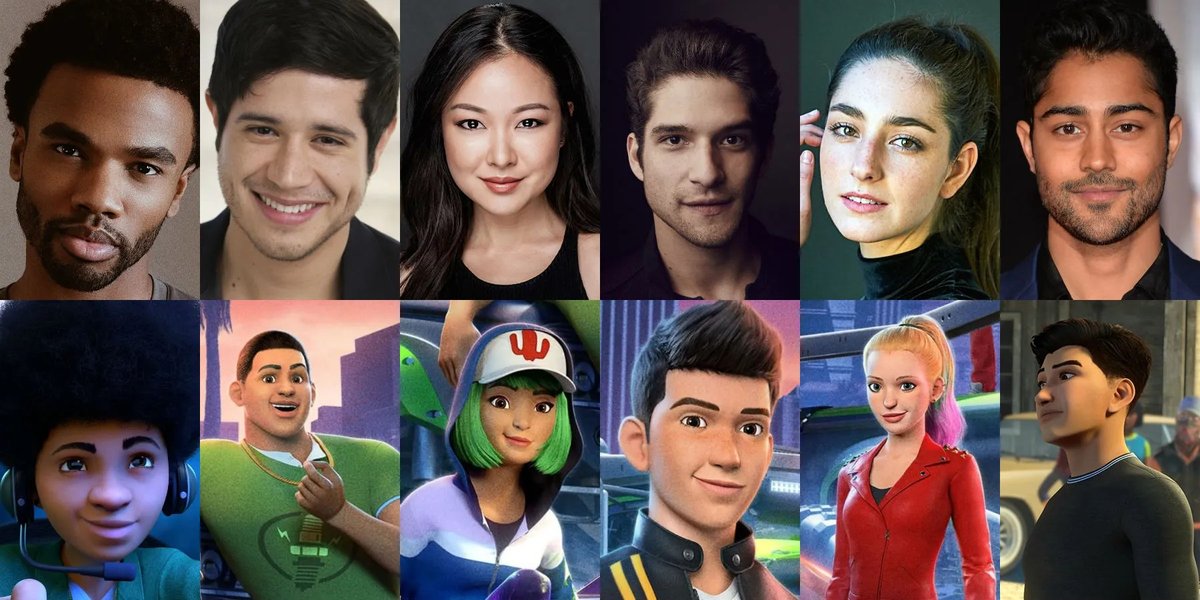
Ever wonder what truly separates a memorable character from one that just fades into the background? It’s not just the lines they speak or their visual design, but the powerful synergy between their Voice Cast & Character Portrayals. When a voice actor perfectly embodies a role, and that role is deeply, thoughtfully written, magic happens. You don't just see or hear a character; you feel them. This isn't just about bringing cartoons to life; it's about building emotional bridges, enriching narratives, and transforming ink-and-paint into resonant, unforgettable figures that stick with us long after the credits roll.
At a Glance: What You'll Discover About Voice & Character
- The Dual Power: Understand how a character's written portrayal and the voice actor's performance combine for maximum impact.
- Deep Connection: Learn how well-developed characters and authentic voices foster empathy and connection with audiences.
- Crafting Depth: Explore the techniques writers use to build multi-dimensional characters that reflect real human experience.
- The Casting Art: Get insights into how voice actors are chosen and how their unique talents elevate a role.
- Beyond the Script: See why collaboration between writers, directors, and voice talent is crucial for iconic portrayals.
The Unseen Architects: Why Character Portrayals Matter So Much
Before a single line is voiced, before an animator draws a frame, there's the character. Their very essence, their motivations, their flaws, and their aspirations are meticulously crafted by writers. These character portrayals are the blueprint—the representation and development of individuals within a story. They're more than just names; they're intricate tapestries illustrating traits, driving motivations, and the arc of their growth.
Think about it: a deeply empathetic protagonist facing impossible odds, a villain whose backstory offers a glimpse of humanity, or a quirky sidekick whose genuine heart shines through. These aren't accidents. Authors deliberately use these portrayals to help us, the audience, connect on a profound level. We build empathy, find reflection for universal themes like love, conflict, or identity, and see slices of our own lives mirrored in their struggles and triumphs. As experts often highlight, complex portrayals create multi-dimensional characters, leading to more engaging narratives that resonate culturally and temporally, because they reflect the true complexities of human emotions and conflicts.
Writers frequently employ contrasting portrayals—a selfless hero against a greedy antagonist, for example—to emphasize differences in values or beliefs, reinforcing core themes like redemption or the consequences of choices. Dynamic characters, those who evolve and change, are particularly crucial for conveying complex themes, allowing us to explore personal transformation and the impact of choices on identity. This rich groundwork is what allows any performer, particularly a voice actor, to truly soar.
The Voice: Igniting the Spark of Personality
A character might be beautifully written on the page, but without a voice, they remain silent. This is where the voice cast steps in, transforming ink into presence, personality, and palpable emotion. Voice acting is a specialized craft, demanding not only a distinct vocal quality but also the ability to convey a vast range of emotions, intentions, and subtext using only the voice. It's about bringing a character's internal world to their external expression.
A skilled voice actor doesn't just read lines; they become the character. They delve into the personality, the history, and the emotional landscape the writers have created. They interpret nuances, find the rhythm of the dialogue, and inject the character with a unique vocal identity that instantly becomes recognizable. This is why when we think of certain beloved characters, their voice is often the first thing that comes to mind, inextricably linked to their identity.
Consider the detailed world-building necessary for any animated series. For instance, if you've ever wanted to Meet the Big City Greens characters, you'd immediately recognize how their distinct voices contribute massively to their quirky, memorable personalities and the overall charm of the show. Each voice is carefully selected to amplify the character's traits, making them feel real and relatable, even in fantastical settings.
The Casting Call: Finding That Perfect Match
The process of selecting a voice cast is far more intricate than simply picking a pleasant voice. It's a precise art, a delicate balance between vocal talent, interpretation, and the overall vision for the character. Casting directors are tasked with finding voices that not only fit the character's physical appearance (if applicable) but, more importantly, capture their inner essence.
What goes into this critical decision?
- Vocal Timbre and Range: Does the voice have the right natural quality? Is it high or low, gravelly or smooth, youthful or mature? Can the actor achieve the necessary emotional range—from booming anger to quiet despair—without losing authenticity?
- Personality Alignment: Sometimes, a voice actor's natural personality or reputation can inform a casting choice. Other times, it's about finding someone who can completely transform, disappearing into a role unlike themselves.
- Acting Chops: Voice acting is acting. It requires timing, emotional intelligence, and the ability to take direction, often performing alone in a booth and relying solely on their voice to convey complex scenes.
- Chemistry (for ensembles): In shows with an ensemble cast, like the upcoming animated series "Zog" which promises adventures with fantastical creatures, casting directors also consider how voices will sound together. Will they complement each other? Will they create dynamic and believable interactions? A strong ensemble voice cast, like the lead cast being assembled for "Zog," is crucial for building a cohesive and engaging world for young audiences.
A perfect cast means a character not only sounds right but feels right. It’s a testament to the fact that voice acting is a specialized skill, demanding dedication to the nuanced art of storytelling through vocal performance alone.
The Symbiotic Relationship: When Voice and Portrayal Align
The true magic happens when the expertly crafted character portrayal meets the perfectly matched voice cast. It’s a symbiotic relationship where each element elevates the other.
- A Rich Portrayal Empowers the Voice: A character with clear motivations, a well-defined arc, and compelling dialogue gives the voice actor a strong foundation to build upon. They understand why the character speaks the way they do, what their internal struggles are, and who they are trying to be. This depth allows the actor to imbue their performance with layers of emotion and authenticity that wouldn't be possible with a thinly written role.
- A Powerful Voice Elevates the Portrayal: Conversely, a skilled voice actor can take a good character portrayal and make it iconic. They can bring out subtleties in the writing that might otherwise be missed. A certain inflection can convey sarcasm, vulnerability, or defiance more powerfully than a thousand words on a page. The voice provides the emotional conduit, allowing the audience to truly connect with the character's journey and feel their triumphs and heartbreaks. You don't just hear the words; you hear the soul behind them.
Think of the lasting impact of characters whose voices are inseparable from their identities. From the booming declarations of a superhero to the quiet wisdom of a mentor, these iconic animated performances wouldn't be the same if the voice and the character's essence weren't so perfectly intertwined. They prove that when these two elements align, they don't just tell a story; they create a living, breathing entity that transcends the screen.
Navigating the Pitfalls: When Portrayals Miss the Mark
While the synergy of voice and character portrayal can create masterpieces, missteps can significantly hinder a story's impact. It's not always a straight path to perfection, and understanding where things can go wrong is crucial for creators.
Common Challenges & Pitfalls:
- Miscasting: Sometimes, despite best intentions, a voice simply doesn't fit the character. This isn't always about talent; it can be a mismatch of tone, age, or perceived personality. A voice that is too meek for a strong leader, or too gruff for a gentle soul, can break audience immersion and make the character feel inauthentic.
- Shallow Portrayals: Even the most talented voice actor can't save a poorly written character. If the character lacks depth, consistent motivation, or a believable arc, their voice will sound hollow, no matter how expressive. This reinforces the idea that the written portrayal is the foundational layer.
- Stereotyping: When character portrayals rely heavily on stereotypes, they not only alienate audiences but also limit the voice actor's ability to create a nuanced performance. Such portrayals miss opportunities for genuine connection and often perpetuate harmful caricatures instead of reflecting diverse perspectives and experiences.
- Lack of Direction or Collaboration: Voice actors often work in isolation, making strong directorial guidance essential. If the director doesn't effectively communicate the character's emotional landscape or the scene's intent, even a brilliant actor might deliver a performance that feels disconnected or out of sync with the overall narrative. Similarly, a lack of collaboration between writers, directors, and actors can lead to inconsistencies between the character as written, as directed, and as performed.
- Stunt Casting over Substance: While big-name celebrities can draw an audience, choosing a voice actor based solely on their fame, rather than their suitability for the role, is a common pitfall. A celebrity voice might be recognizable, but if they don't embody the character authentically, the performance can fall flat, reminding the audience they're listening to a celebrity, not the character.
These challenges highlight that the process is not just about individual talent but about a carefully managed ecosystem where every element—writing, casting, direction, and performance—must work in harmony to avoid disrupting the immersive experience.
Crafting Resonance: Practical Tips for Creators and Storytellers
For anyone involved in bringing stories to life, understanding the interplay of voice and character is paramount. Here's how to ensure your creations truly resonate:
For Writers: Building the Blueprint
- Go Deep on Motivation: Don't just list traits. Ask why your character is the way they are. What drives them? What are their fears and aspirations? This inner life provides essential context for voice actors.
- Show, Don't Just Tell: Instead of writing "She was angry," write dialogue and actions that demonstrate her anger. Give voice actors concrete behaviors to interpret.
- Consider the Voice (Even on the Page): As you write dialogue, try to "hear" the character's voice in your head. Does it align with their personality? Is there a rhythm to their speech? This isn't about casting, but about making the dialogue feel organic to the character's portrayal.
- Embrace Dynamic Arcs: Remember that dynamic character portrayals are crucial for conveying complex themes. Allow your characters to grow, change, and be challenged. Their evolution will provide rich material for vocal expression. If you're looking for more guidance, delve into effective character development strategies.
For Casting Directors: The Art of the Matchmaker - Prioritize Authenticity: Look beyond a "pretty" voice. Seek out actors who can genuinely embody the character's emotional truth. Often, the most authentic voice isn't the most "perfect" one, but the one that feels most real.
- Listen for Subtext: A great voice actor can convey layers of meaning beyond the literal words. During auditions, listen for how they use pauses, inflections, and tone to add depth.
- Embrace Diversity: A diverse voice cast not only reflects the real world but also brings a richer tapestry of vocal qualities and life experiences to your characters, enhancing their appeal and relatability across broader audiences.
- Collaborate Early: Involve writers and directors in the casting process. Their insights into the character's essence are invaluable for finding the right vocal match.
For Voice Actors: Becoming the Character - Research and Internalize: Before stepping into the booth, thoroughly understand your character's backstory, motivations, and relationships. The more you know, the more authentically you can portray them.
- Explore Emotional Range: Don't be afraid to experiment with different emotional expressions in your voice. A character isn't just one emotion; they're a complex blend.
- Listen to Direction: The director is your guide. They see the bigger picture. Be open to feedback and willing to adjust your performance to fit the overall vision.
- Protect Your Instrument: Your voice is your livelihood. Practice good vocal health, warm-ups, and cool-downs to maintain its strength and flexibility.
The success of any animated feature or series hinges on this collaborative journey, from the initial character sketch to the final vocal performance. Understanding the intricate animation production process reveals just how many hands and creative minds touch a character before they're fully realized.
The "Zog" Example: Bringing Fantastical Creatures to Life
The announcement of a lead voice cast for "Zog," an animated series based on beloved books and films, offers a fascinating, real-world glimpse into this synergy. The premise—taking young audiences on adventures to help fantastical creatures—immediately signals a need for a voice cast that can convey wonder, empathy, courage, and perhaps a touch of whimsy.
For characters like dragons, knights, and princesses in a world like "Zog," the voice cast isn't just speaking lines; they're creating distinct personalities for beings that don't exist in our reality. The choice of voice actors here is paramount. They must:
- Define the Creature's Personality: A dragon's voice can be fierce, gentle, wise, or clumsy, all communicated through vocal choices. The lead cast will set the tone for how young audiences perceive these fantastical beings.
- Build Emotional Bridges: Even with non-human characters, the voices must convey relatable emotions. For children to connect with a dragon needing help or a princess striving for something more, the voices must project sincerity, vulnerability, and courage.
- Support the Narrative Themes: If "Zog" explores themes of perseverance, friendship, or courage, the voice cast's performances will be instrumental in reinforcing these messages, making the adventures feel meaningful and impactful.
The selection of a lead voice cast for "Zog" isn't merely a formality; it's a foundational decision that will sculpt how audiences experience these fantastical narratives, truly bringing life and personality to characters born from imagination.
Your Questions Answered: Decoding Voice & Character Dynamics
Let's tackle some common queries about the fascinating world of voice cast and character portrayals.
Q: Can a voice actor change a character's established personality?
A: While a voice actor’s interpretation can certainly deepen or nuance an established personality, fundamentally changing it is usually not their role. They work within the framework provided by the writers and directors. However, a brilliant performance can reveal aspects of a character that weren't explicitly obvious on the page, making them feel more complex and multi-dimensional.
Q: How important is a character's visual design compared to their voice?
A: Both are incredibly important and ideally work hand-in-hand. Visual design gives a character their physical identity and expression, while the voice provides their audible personality and emotional core. A strong visual design can be undermined by a mismatched voice, and vice-versa. When both are harmonized, the character truly comes alive.
Q: What's the difference between voice acting for animation vs. video games?
A: While both require excellent vocal performance, there are key distinctions. Animation often involves recording lines for fully animated scenes, allowing actors to react to visuals. Video games, however, frequently require actors to record hundreds, sometimes thousands, of lines in isolation, often without visual context, for branching dialogue paths and player choices. This demands immense consistency, quick emotional shifts, and a strong imagination to maintain character and context.
Q: Do big-name celebrities always make the best voice actors?
A: Not necessarily. While some celebrities are exceptionally talented voice actors (and can bring valuable recognition to a project), voice acting is a specialized skill. Many career voice actors possess unique vocal control, versatility, and experience that can be unmatched by actors who primarily work in live-action. The best choice is always the actor whose voice and acting ability best serve the character, regardless of their celebrity status.
Bringing Stories to Life: Your Role as an Engaged Audience
The next time you settle in to watch an animated film, a video game cutscene, or even a compelling documentary with narration, take a moment to appreciate the intricate dance between Voice Cast & Character Portrayals. Recognize the dedication of the writers who craft compelling personalities and the exceptional skill of the voice actors who breathe life into them.
As an engaged audience member, your appreciation fuels this art form. Pay attention to how a particular voice makes you feel about a character, how an inflection changes your perception, or how a well-written arc resonates with your own experiences. Understanding this powerful synergy enhances your viewing experience, transforming passive consumption into a deeper, more rewarding appreciation for the storytelling mastery at play.